
You landed the position, now let’s find you a home
Real estate guidance built for the academic calendar, from someone who has lived it.
You've navigated the job market, survived the campus visit, and negotiated your offer. Now comes the part nobody in your department prepared you for: finding a home in a city you may barely know, on a timeline that doesn't bend for anyone.
I'm Chris Barnhill, a licensed REALTOR® with The Anderson Group and a university professor who has made multiple moves across my academic career. I know what it feels like to sign an offer letter in the spring, scramble to find a neighborhood over the summer, and report to campus in August, wondering if you made the right call. I've been there more than once. That experience is exactly why I built Academic Moves, a real estate approach designed from the ground up for faculty and staff.
Why This Is Different
Academic Relocation Isn't Like Any Other Move
When most people buy a home, they have time to browse, tour, revisit, and decide. Faculty and staff relocating for a new position rarely get that luxury.
Offer letters arrive late in the spring. Campus visits are rushed. The window between "yes, I'll take the position" and "I need to be there for the fall semester" is shorter than it looks on a calendar. And because most agents don't understand academic timelines, you'll often get pressure to decide faster than is wise, or miss the market window entirely by moving too slowly.
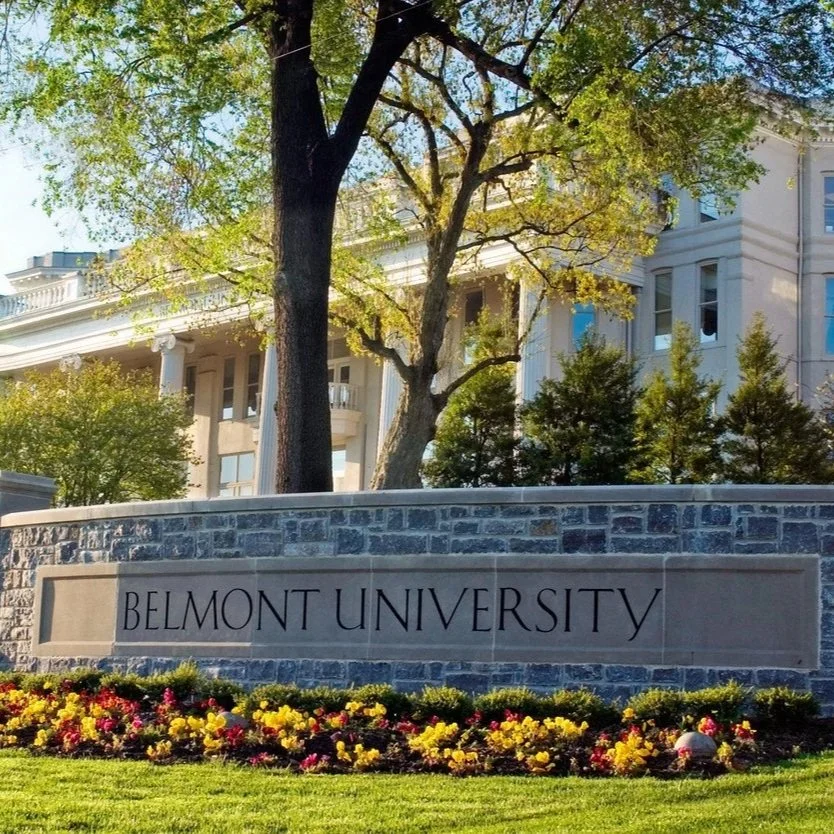
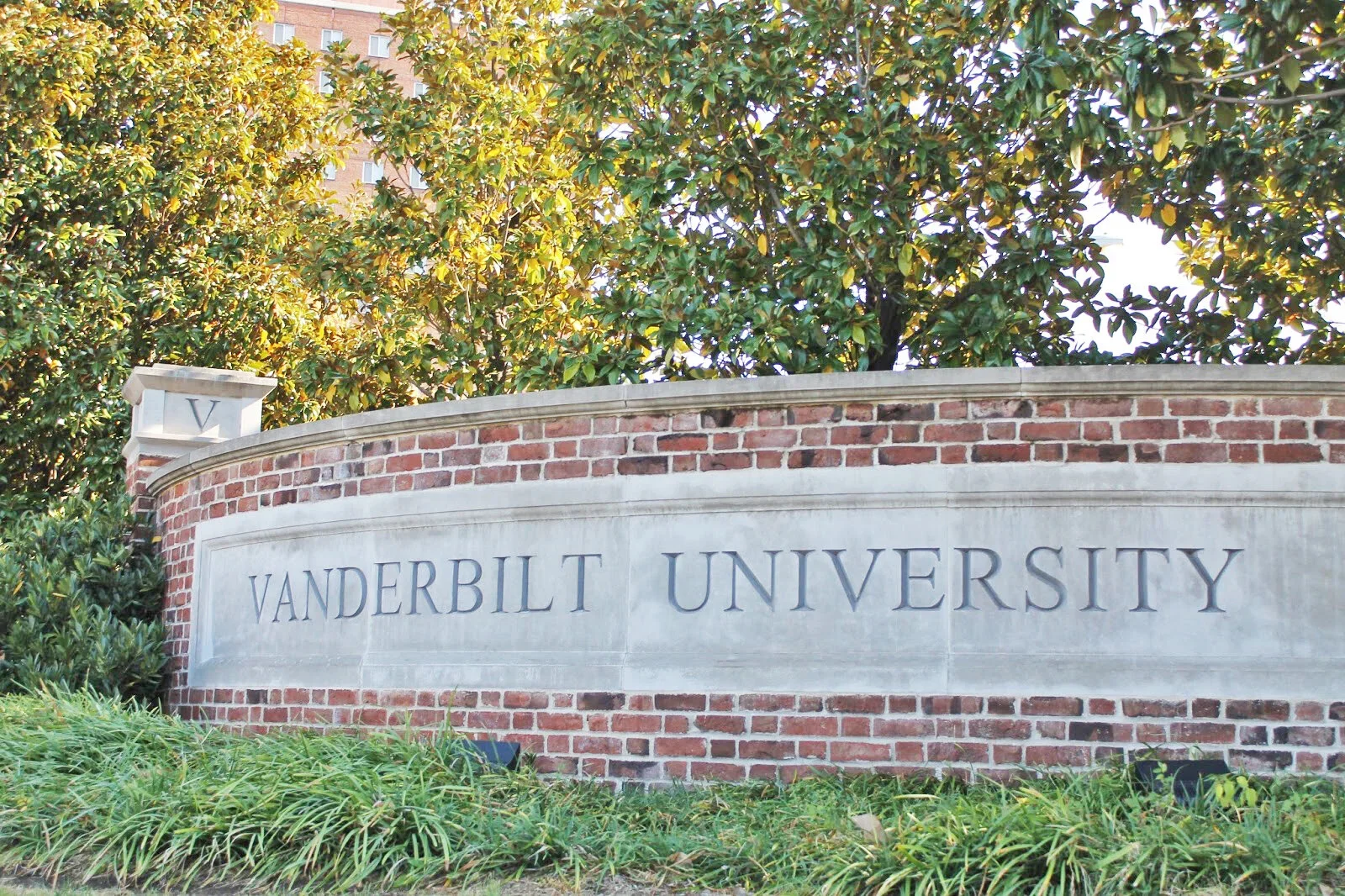
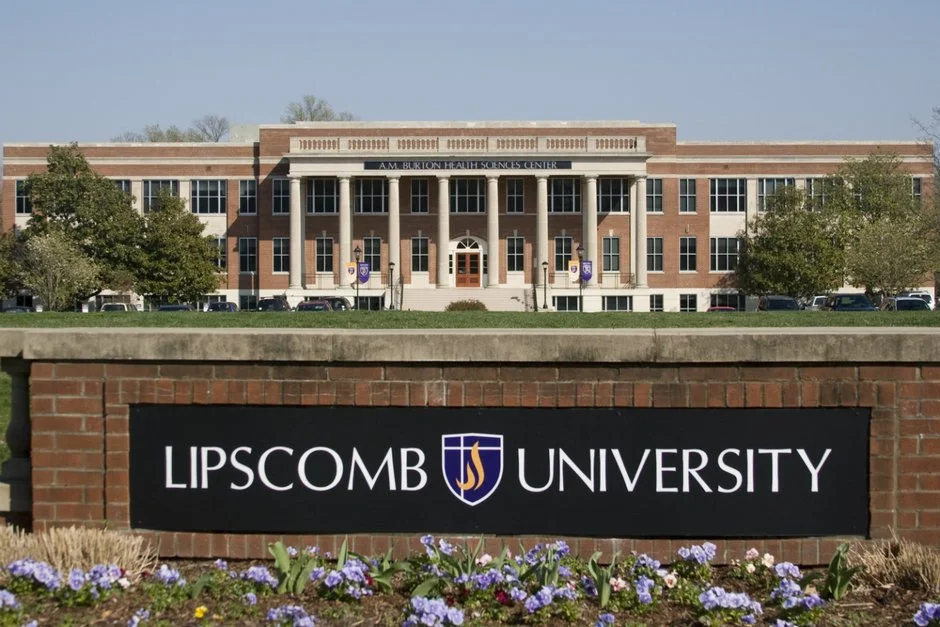
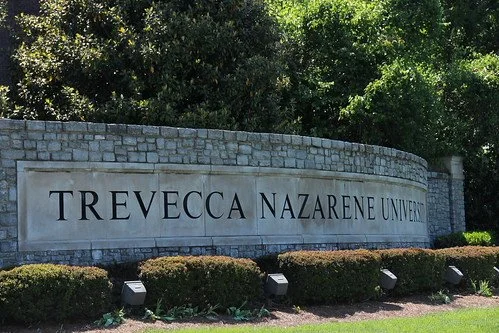
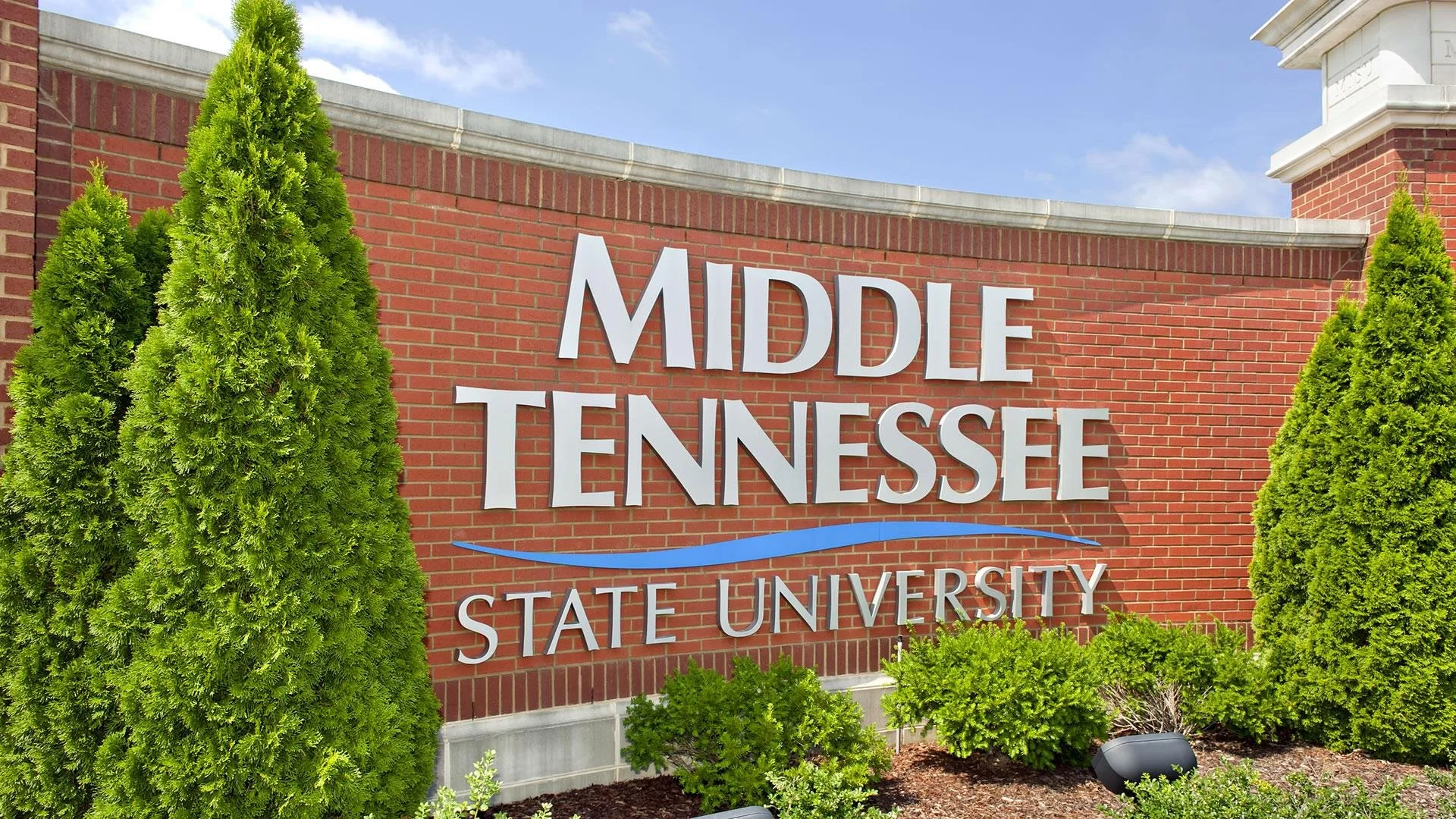
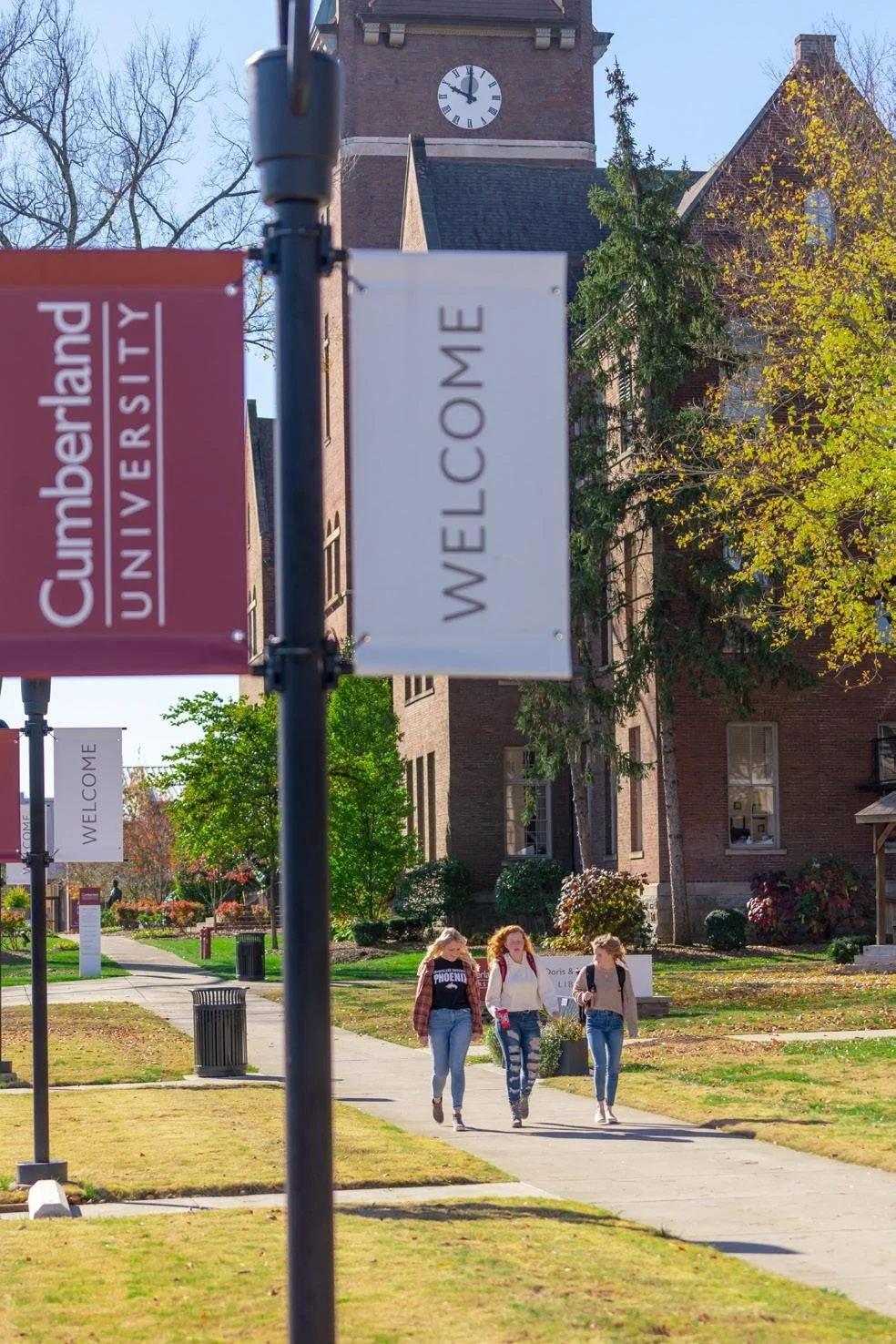
There's also the neighborhood question. Every campus has its own gravitational pull. What's a reasonable commute for a 9-to-5 is a different conversation entirely when you're teaching night classes, hosting office hours, and attending evening events. The right neighborhood for a Vanderbilt faculty member looks different than the right fit for a MTSU or Lipscomb hire.
I've worked through every one of these scenarios. Let's figure out yours.


A REALTOR® Who Has Made the Move
I'm Not Guessing. I've Done This.
Over the course of my academic career, I've relocated multiple times, packing up a life, learning a new city, and starting over professionally while simultaneously trying to find a place to live on an academic timeline with a faculty salary. I know firsthand how it feels to wonder whether you're overpaying for a neighborhood you haven't had time to learn. I know the specific stress of trying to close on a house while also prepping for your first semester at a new institution.
That experience shapes everything about how I work with academic clients. I don't just show houses. I help you understand the market, decode the commute, anticipate the resale, and fit the decision into the rhythm of the academic year.
My Ph.D. also means I approach real estate the way I approach research: with data, critical thinking, and a commitment to clear communication. You won't get a hard sell. You'll get an honest analysis.
A Process Built Around Your Timeline, Not the Market's
Nashville's Academic Geography: What You Need to Know
Nashville's universities are spread across a city that doesn't always move predictably. Traffic patterns, neighborhood price trajectories, and walkability vary dramatically within just a few miles. Here's a brief orientation.
The Midtown and West End corridor is convenient but premium-priced. Faculty looking to stay close often trade square footage for proximity. Family-friendly options with a slightly longer drive exist to the west and south.
The 12South and Waverly-Belmont neighborhoods are walkable and popular, though prices have climbed steadily. Berry Hill and Brentwood offer value for those willing to add a few minutes of commute.
Murfreesboro and Smyrna offer significantly more purchasing power and a straight shot down I-24 that's more manageable than the mileage suggests during off-peak hours.
North Nashville is one of the city's fastest-changing markets, with strong long-term upside and current pricing that still represents genuine value for buyers willing to be early.
in depth during our first conversation.


Your Academic Move Starts with One Conversation
Tell me a little about your situation and I'll be in touch within one business day, personally, not through an automated system.

What Faculty and Staff Ask Before They Move
These are the questions I hear most often from academic clients. If yours isn't here, let's talk.
Ideally 4 to 6 months before you need to be settled, which typically means January or February for a fall appointment. The Nashville market moves quickly, and academic timelines don't leave much room for a second chance at a property you miss.
Yes, though neighborhood selection matters significantly. We'll build a search based on your actual numbers and show you where your budget has the most purchasing power relative to your commute. There is more flexibility in this market than most incoming faculty expect.
This is the most common situation I work with. We'll use video tours, detailed neighborhood briefings, and a structured decision framework so you can make a confident offer without needing to fly in repeatedly. I've helped clients close on homes they toured once in person.
I focus on the Nashville side of the transaction, but I maintain a national referral network and can connect you with a vetted agent in your departure market. Coordinating both sides of a move is something I have navigated personally and professionally.
Significantly. Spring is when most academic offers are extended, which means summer is when faculty and staff flood the market looking to buy. Inventory tightens and competition increases between May and August. Starting early gives you access to better options at better prices before that window narrows.
It depends on your timeline confidence and how well you know Nashville. Renting first gives you time to learn the city, but Nashville's appreciation rate means waiting has a real cost. We'll look at your specific situation and give you an honest recommendation, not just the answer that leads to a faster commission.
Let's talk through your specific situation.